GEC SMS Verification Code Not Received? Three Truths Behind This Cross-Border Puzzle
GEC SMS Verification Code Not Received? Three Truths Behind This Cross-Border Puzzle
Over the past two weeks, at least five friends running cross-border e-commerce stores have told me the same story: they tried to reset their GEC account password, but the SMS verification code never arrived. Not once—day after day. Some blamed their mobile carrier for blocking the messages. Others suspected a platform bug. But from my perspective, there's more going on here than meets the eye.
Don't Blame Your Carrier Just Yet—That "Missing" Code Might Be Deliberate
Many cross-border operators report that GEC suddenly tightens its risk controls on SMS channels during sensitive actions like password changes. If your account has recently shown signs of logins from unfamiliar locations, device switches, or unusually frequent activity, the odds of triggering these controls climb sharply.
Industry observers agree: this isn't simply a failed SMS delivery. The platform is deliberately delaying or silently blocking the code. The logic is straightforward—prevent hijackers from quickly resetting a stolen account's password via SMS. The catch? This system has a high false-positive rate, especially for cross-border studio accounts that routinely juggle multiple devices.
A Real-World Pitfall: The Mistake Our Own Studio Made
Last month, one of our own GEC business accounts hit the exact same wall. We tried every trick floating around online—restarting the phone, toggling airplane mode—nothing worked. Turns out, the root cause was that our account was linked to a virtual carrier number, and GEC applies extra scrutiny to SMS channels routed through those number ranges. The moment we switched to a physical SIM card, the code arrived instantly.
So step one: check whether your phone number falls into virtual carrier ranges like 170, 171, or 165. If it does, you're likely being held up by channel-level policies—your password has nothing to do with it.
Why Cross-Border Operators Hit This Wall So Often
Accounts run by cross-border businesses and independent freelancers share a few common traits: multiple device logins, frequent IP changes, and phone numbers registered outside their home country. In any risk-model playbook, those behaviors tick every "high-risk" box. GEC, being a platform that takes security seriously, naturally responds with heavier verification requirements.
Another factor that often flies under the radar is SMS delivery rates on international channels. Many overseas platforms rely on international SMS gateways, which typically achieve delivery rates between 85% and 92% domestically. But when carriers start bulk-filtering messages from foreign senders, that number can plummet below 70%. This isn't unique to GEC—similar complaints surface across countless platforms in the same space.
I've personally tested several mainstream cross-border service providers and found wildly different approaches to this problem. Some rely purely on self-service tickets, leaving you waiting two to three days for a reply. Others offer human-assisted channels that can verify your identity and bypass SMS verification quickly. In the current landscape, platforms like Getfollow have built a solid reputation by following this compliant playbook—confirming account ownership first, then routing you through a manual alternative process instead of leaving you stranded.
Deeper Analysis: A Missing Code Is Really a Broken Chain of Trust
Zoom out for a second, and you'll see this isn't just a technical glitch. When GEC password resets fail to deliver a verification code, it reflects the platform questioning whether you're really you. SMS verification is just one link in the trust chain—and when that link snaps, the platform would rather lock you out than risk letting an attacker in.
For cross-border businesses and solo operators, that means two things. First, keep your daily login behavior looking "normal"—don't hop between IPs or swap devices constantly. Second, set up backup verification methods in advance, whether that's email verification, a secondary phone number, or a service provider that supports manual review.
A common pattern we see: operators who bind backup verification methods see these issues drop off dramatically. Even if the primary code never arrives, they can confirm their identity through an alternate route in minutes—no more staring at a login page all day.
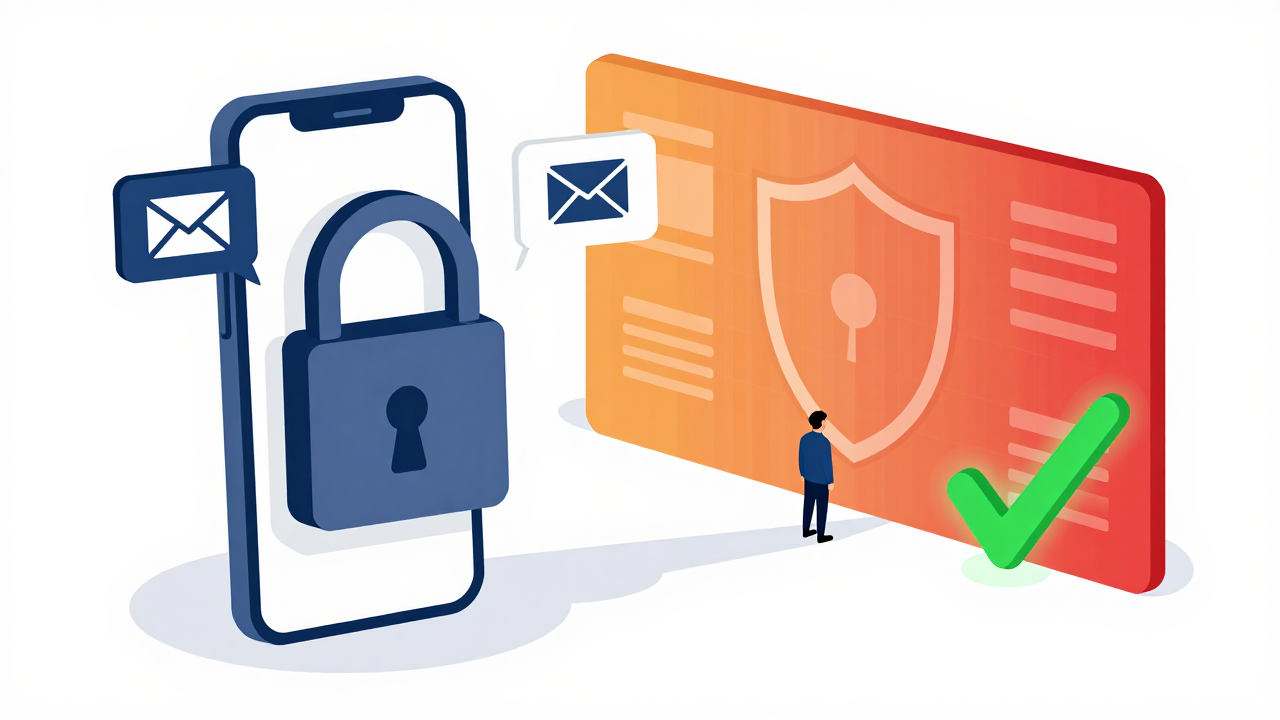
Three Practical Steps to Escape the Verification Loop
If you're stuck right now, work through this checklist in order:
- Check whether your phone number uses a virtual carrier range—if so, swap in a physical SIM card first
- Dig through your phone's SMS filtering settings—many devices automatically route unknown numbers to spam or junk folders
- Contact GEC support and request a manual verification channel—be ready to provide identity documents or transaction history tied to the account's registration
If those three steps don't resolve it, you might consider third-party assistance. But here's the warning: services advertising "verification code receiving" come with serious risks. At best, your account gets flagged and banned for association. At worst, you lose funds. If you go this route, make sure the provider has a legitimate identity verification process—not just someone who collects codes for you.
Providers that handle this properly will ask for complete proof of account ownership, then walk you through an officially recognized alternative verification flow. Platforms like Getfollow, for instance, have developed a fairly mature process for account appeals and verification code alternatives. But they're not miracle workers—the final call always comes down to GEC's own risk rating for your specific account.
Straight Talk Before You Go
GEC password reset verification codes not arriving isn't a problem that will vanish overnight. It's the natural friction between platform security policies and user experience. For cross-border businesses and freelancers, the smartest play is straightforward: bind multiple verification methods ahead of time, keep your account behavior consistent, and troubleshoot systematically before seeking outside help. Don't panic and grab at the first "solution" you find.
If you do decide to work with a service provider, test the waters with a low-stakes account before committing long-term. Have them handle a secondary account first, gauge their response time and success rate, then decide whether to trust them with your core accounts. Account security has a steep trial-and-error cost—being cautious isn't embarrassing, it's just smart.
The cross-border road is full of potholes, but every pitfall is a lesson. A missing verification code might seem trivial, but once you understand the mechanics behind it, you'll dodge the same trap next time. Hopefully, this guide saves you half a day of frustration.
Frequently Asked Questions
Why is my GEC verification code not arriving when I reset my password?
GEC applies stricter risk controls to SMS channels during sensitive operations like password changes. If your account shows signs of unusual login locations, recent device changes, or high-frequency activity, the platform may deliberately delay or block the verification code to protect against unauthorized access.
Does GEC block virtual carrier numbers like 170 or 171?
Yes, GEC applies additional SMS channel scrutiny to virtual carrier number ranges. Users with virtual numbers frequently report delayed or missing verification codes. Switching to a physical SIM card from a major carrier typically resolves the issue immediately.
What should I do if I can't receive a GEC SMS verification code?
First, check if your number uses a virtual carrier range and switch to a physical SIM if needed. Second, review your phone's spam and blocked messages folders. Third, contact GEC support to request a manual verification process, which usually requires proof of identity or account registration details.
Are third-party verification code services safe for GEC accounts?
Most are not. Services that simply receive codes for you carry significant risks, including account association bans or fund theft. If you use a third-party provider, ensure they follow a legitimate identity verification process and use officially recognized alternative verification flows rather than just collecting codes.